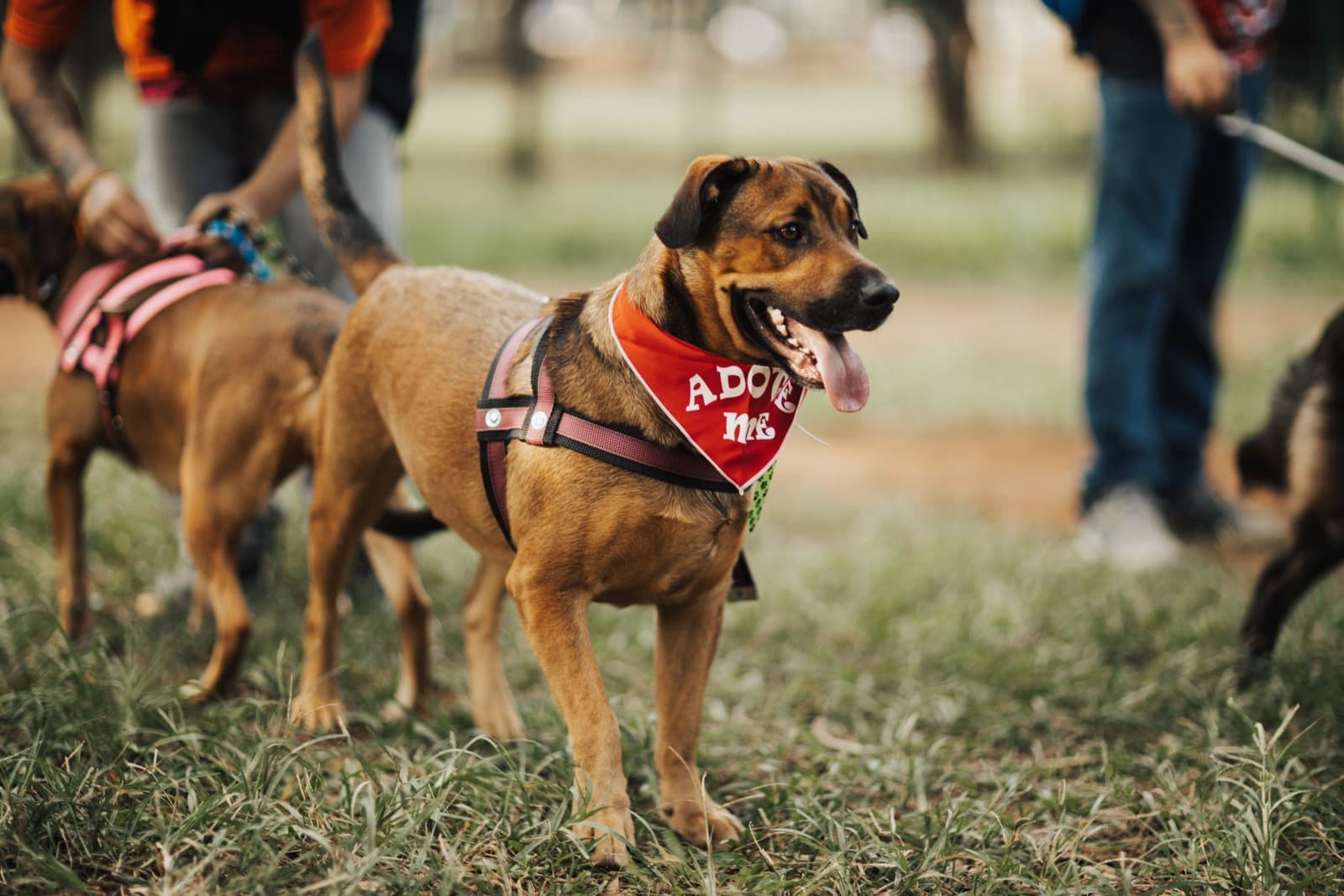
Before adopting a dog or cat, establish where the animal came from, what is known about it and what the organisation will provide in writing. A polished listing is not evidence of a good process. The useful comparison is between actual records, support and suitability for your household.
Ask about the animal and the organisation
Request the organisation's name, contact information, adoption process and agreement. Ask who has observed the animal and in what setting. A foster household may know different things from a shelter, and an incomplete history should be described as incomplete rather than filled with reassuring guesses.
Ask about known behaviour, handling, interactions with other animals and any restrictions the organisation recommends. A description is an observation, not a promise of future behaviour. Meet the animal where practical and ask what support is available after adoption.
Know the Canadian dog import rule
The Canadian Food Inspection Agency's acquisition guidance, checked October 9, 2026, states that commercial dogs from countries at high risk for dog rabies cannot enter Canada until further notice. Its definition includes dogs imported for adoption or fostering, not only resale. Check the agency's current requirements for the animal's actual origin and purpose; a nonprofit label does not establish exemption.
Ask where an imported animal came from and which documents and permissions apply. Do not use this dog rule to infer the requirements for cats or other species. The CFIA's pet import portal is the starting point for those checks.
Review the documents before paying
Questions for a shelter, rescue or seller
- Where did this animal come from, and what history is available?
- Which veterinary records accompany it?
- Which services are included in the fee, and which are still needed?
- What identification is present, and how is its registration transferred?
- What does the adoption agreement require?
- What support or return process is available if the placement fails?
- If transport or import is involved, who confirms the applicable requirements?
A fee may include some care, but do not assume surgery, vaccination, parasite treatment, testing or registration is included. Ask for the actual record and discuss remaining care with a veterinary practice. A claimed health guarantee is not a substitute for understanding its written limits.
Be cautious if you cannot verify the organisation, are pressured into immediate payment or are refused reasonable information about the animal. Ask questions before sending money. An elaborate application alone does not prove that an organisation is responsible.
Confirm the home and budget
Check housing permission and building rules before applying. Our rental guide links to provincial starting points. Think about time at home, travel, access to care and how every household member will participate.
Build a budget from current local quotes: the fee, equipment, food, care, licensing if required and arrangements when you are away. The dog and cat worksheets help separate setup from ongoing expenses. Insurance eligibility depends on the actual policy; a veterinary record does not automatically make every condition excluded or every future claim covered.
Finish the handover
Ask the relevant registry or distributor to explain identification transfer and confirm your contact details. Check municipal licensing directly with your city. Keep the agreement and records together and give the clinic the history you received.
Prepare transport and a secure space before arrival. Ask the organisation for settling advice specific to the animal, rather than expecting every adopted animal to adjust on a fixed timetable. If health or behaviour concerns arise, contact the appropriate professional.
The goal is an informed placement: known limitations, documented responsibilities and a household ready to meet them.