If your pet is missing, start searching and contacting local services promptly. There is no guaranteed search sequence or recovery rate. Use several routes at once, and ask another person to help with calls while you search safely.
Check nearby and report the disappearance
Check inside your home, including rooms, cupboards and places where the animal could have been shut in. Look around the last place it was seen. Ask neighbours to check garages, sheds and enclosed spaces, and obtain permission before entering private property.
Contact your municipal animal service and nearby shelters. Ask how to submit a lost report, view found animals and follow up. Procedures and holding periods vary; do not assume one municipality's process applies elsewhere.
In Toronto, the city's lost and found pet guidance directs owners to Toronto Animal Services or 311 to file a report. Use your own municipality's official contact information if you live elsewhere.
Give services a recent photograph, description, last-seen location and time, and identification numbers through their official reporting channels. Tell them about a collar or distinctive marking. Keep a list of whom you contacted and when to check again.
Check the microchip record
A microchip is an identification number read by a scanner, not a GPS tracker. Contact the registry or distributor to confirm that your contact details are current and ask about marking the animal missing. Do not assume every registry has the same online features.
The Canadian Veterinary Medical Association advises keeping registration information current and using additional identification and search methods because scanning is not infallible.
Search without creating another emergency
Search accessible hiding places and follow up on credible sightings. Do not assume a dog will travel a fixed distance or that a cat must be within a particular radius. Ask a local shelter or recovery organisation for advice suited to the animal and area.
Avoid chasing an unfamiliar or frightened animal into traffic. Keep searchers away from unsafe terrain and roadways. Obtain permission for property searches. If you need a humane trap, ask a local animal service about safe use and monitoring rather than improvising.
Information for a useful missing-pet notice
- A clear, recent photograph and distinctive markings
- Species, name and a concise description
- General last-seen area and date
- A contact method you are willing to make public
- A request for sightings with location and time
Do not put your home address, full microchip number or identity documents on a public poster. Keep an identifying detail private so that you can check someone claiming to have found the animal. Be cautious about demands for payment before proof, or requests for verification codes.
Keep following up
Check official found-animal listings and contact shelters again according to their instructions. Ask whether visits require an appointment. A photograph or telephone description may not be enough to make a match. Update notices when the animal is found so that people do not keep searching unnecessarily.
If you find someone else's animal, contact local animal services for the correct process. Do not approach if doing so risks a bite, scratch or traffic collision. Ask a clinic or shelter whether it can scan identification. For an injured animal, use the local service's urgent reporting instructions.
Prepare identification before you need it
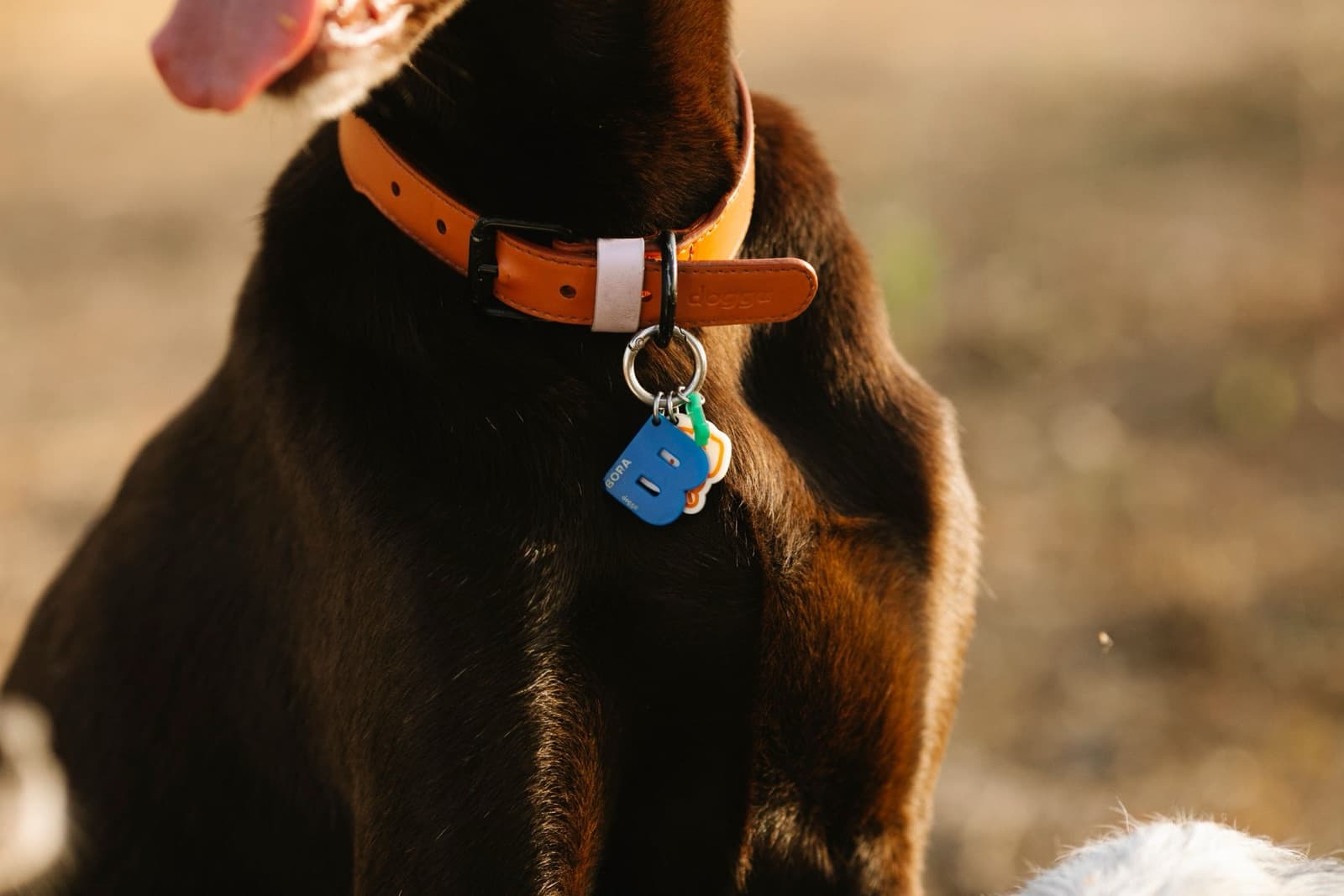
Keep recent photos, registry details and municipal licence information in an accessible folder. Review contact information when you move or travel. A visible ID tag provides another way for a finder to reach you.
ThePetClub's lost and found area currently contains examples, not a functioning reporting or alert service. Submit a real report through your local animal service rather than relying on this website to receive it.